
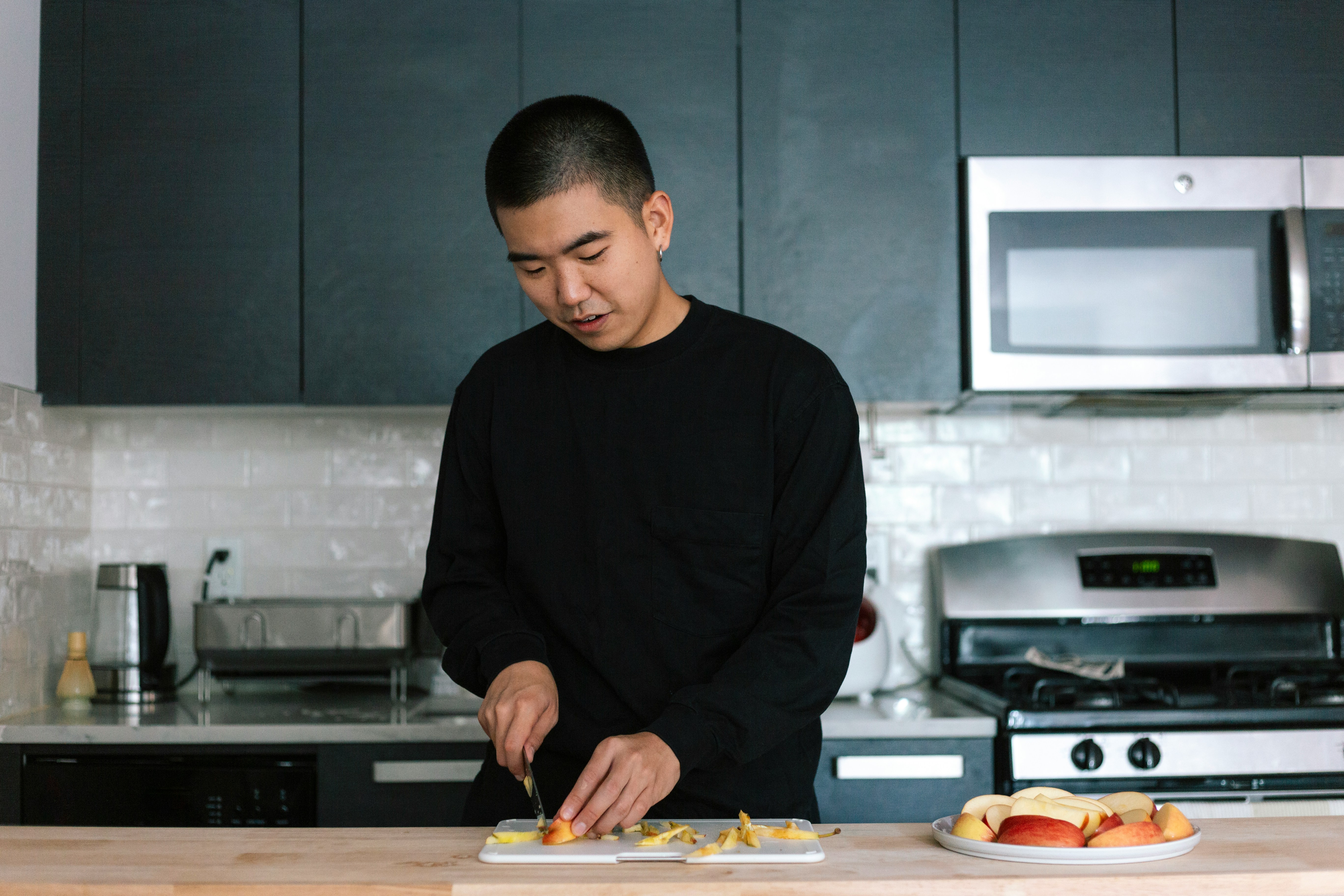
Making decisions is part of everyday life, but sometimes even a seemingly simple choice can feel overwhelming. You might spend hours comparing options, ask multiple people what they think, replay possible outcomes in your head, or avoid making the decision altogether. When this pattern starts creating significant stress, therapy for decision anxiety can help you understand what is making choices feel so high-stakes and develop a healthier relationship with uncertainty.
Fear around decision-making is often about more than the decision itself. It can be connected to perfectionism, anxiety, past experiences, family expectations, cultural pressures, or a deep fear of disappointing yourself or someone you care about. Therapy provides space to explore these layers without assuming there is one “correct” way you should feel.
Quick Self Check-In
Think about a decision you are currently struggling with and ask yourself:
- Am I searching for certainty that may not actually be possible?
- Am I more afraid of making a mistake than I am interested in what I genuinely want?
- Have I repeatedly asked others for reassurance about this choice?
- Am I imagining the worst possible outcome if I choose incorrectly?
- Do I feel responsible for making sure everyone else is happy with my decision?
- Have I delayed making the choice because thinking about it feels overwhelming?
You do not need to answer yes to every question for decision-making anxiety to be worth exploring. Sometimes simply noticing your patterns can be an important starting point.
Why Can Making the Wrong Decision Feel So Scary?
For someone experiencing decision anxiety, a choice may not feel like just a choice. It can feel like a test of your intelligence, judgment, responsibility, or worth.
You may find yourself thinking, “What if I regret this?” or “What if this ruins everything?” Even after making a decision, you might continue reviewing it and wondering whether another option would have been better.
Perfectionism can intensify this cycle. If you believe there is a perfect decision available, you may feel pressured to analyze every possibility before moving forward. Unfortunately, many life decisions do not come with enough information to guarantee the outcome.
Anxiety can then turn uncertainty into perceived danger. Instead of asking which option fits your needs and values, you may become focused on preventing anything from going wrong.
How Therapy for Decision Anxiety Can Help
Therapy for decision anxiety is not about having a therapist make choices for you. Instead, therapy can help you become more aware of the thoughts, emotions, experiences, and expectations influencing the way you approach decisions.
For example, you might explore whether you automatically assume mistakes will lead to rejection or failure. You may notice that you have learned to prioritize other people’s expectations before considering your own needs. Therapy can also help identify patterns such as catastrophizing, excessive reassurance-seeking, overthinking, or avoiding decisions because uncertainty feels uncomfortable.
Over time, the goal may be to build greater confidence in your ability to make thoughtful choices while accepting that you cannot control every outcome.
Perfectionism and the Pressure to Get Everything Right
Perfectionism often disguises itself as being careful or responsible. While careful thinking can certainly be useful, perfectionism can make ordinary decisions feel exhausting.
You might research endlessly before purchasing something, rewrite a message repeatedly before sending it, or struggle for months with a career or relationship decision because you are afraid of choosing incorrectly.
Therapy can help you examine the standards you are holding yourself to. Are they realistic? Would you expect someone you care about to make every decision perfectly? Are you measuring a good decision by the information you had when you made it, or only by how things turned out afterward?
Learning to separate thoughtful decision-making from perfectionistic decision-making can create more room for flexibility.
Cultural and Family Expectations Can Shape Decision-Making
For Asian-American and BIPOC individuals, decision anxiety may also intersect with family, cultural, and community experiences. Decisions about education, careers, relationships, caregiving, finances, or personal boundaries may carry meaning that extends beyond individual preference.
Some people may experience tension between honoring family or cultural values and developing an independent sense of identity. Others may feel pressure to succeed, avoid disappointing family members, maintain harmony, or represent their community in a particular way.
A culturally responsive therapist can make space for these complexities rather than reducing every struggle to individual behavior. Therapy does not have to require choosing between your values and your well-being. Instead, it can help you explore what matters to you and how you want to navigate competing expectations.
Learning to Live With Some Uncertainty
One of the most valuable shifts in therapy can be recognizing that confidence does not always mean certainty.
You may never know with complete confidence whether you selected the perfect career, relationship, apartment, school, or opportunity. What you can develop is greater trust in your ability to gather reasonable information, consider your values, make a choice, and respond to what happens next.
Therapy may also help you practice tolerating the discomfort that comes after a decision. Rather than immediately looking for reassurance or mentally reopening the choice, you can learn to notice anxious thoughts without automatically treating them as evidence that you made a mistake.
You Can Make Decisions Without Having Every Answer
If decision-making has become a cycle of overthinking, fear, perfectionism, and self-doubt, you do not have to wait until you feel completely certain before seeking support. Therapy for decision anxiety can help you better understand what is driving the fear while developing more flexible and compassionate ways of approaching choices.
Between Therapy provides virtual therapy in California with a focus on supporting Asian-American and BIPOC communities. The practice offers support for concerns including anxiety, depression, trauma, grief, and other emotional challenges. If fear of making the wrong decision is interfering with your relationships, work, or everyday well-being, therapy can provide a supportive place to begin exploring those patterns.
To learn more about Between Therapy or virtual therapy options in California, visit Between Therapy, email info@between-therapy.com, or call (415) 379-0835.
Leave a Reply