
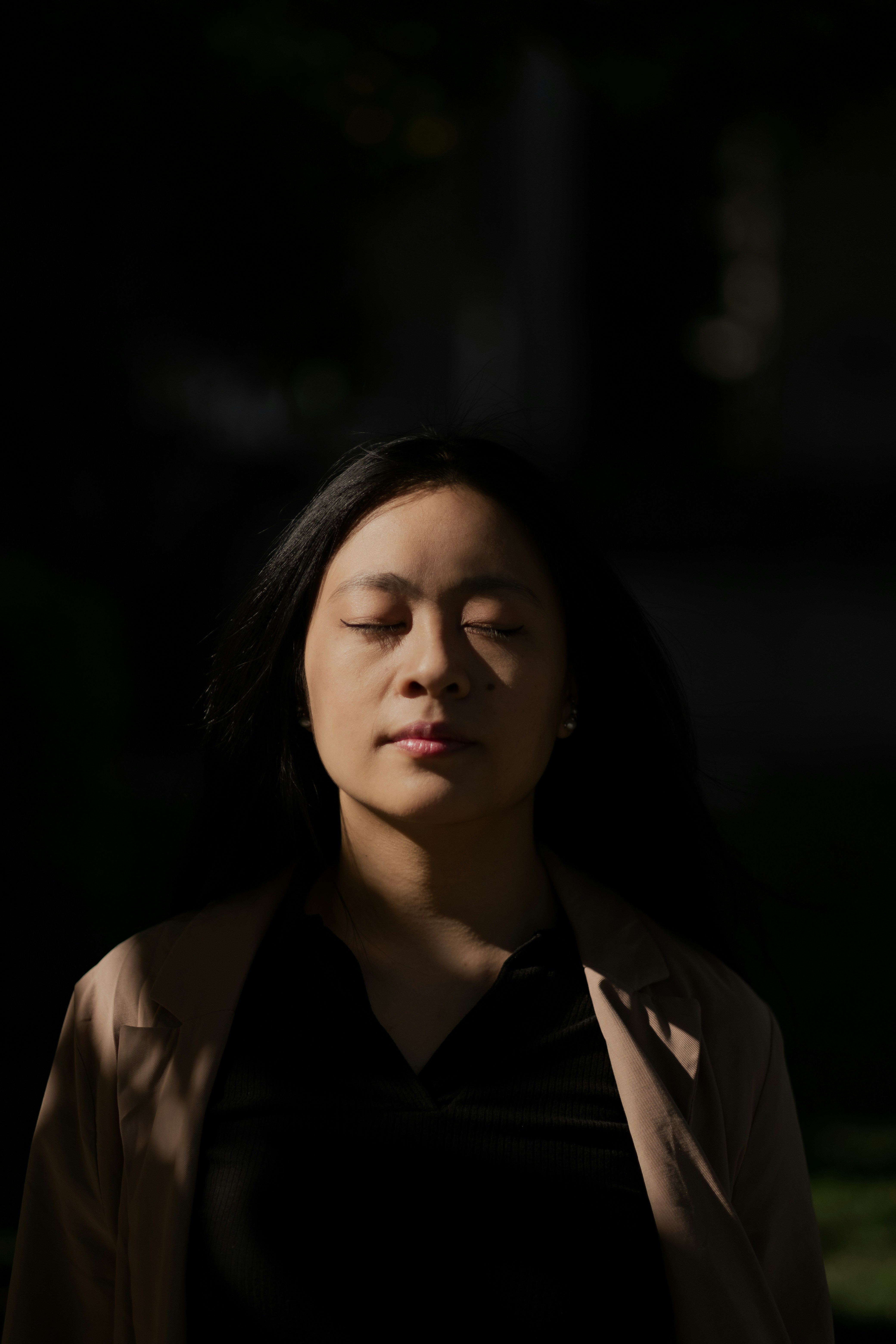
Have you ever woken up from a full night’s sleep and still felt completely drained? Or returned from a vacation only to feel like you need another one? If rest doesn’t feel restful for you, you’re not alone, and there’s nothing wrong with you. This is one of the most quietly confusing experiences people carry, and it deserves a real explanation.
A Quick Check-In
Before we go further, take a breath and sit with these questions for a moment:
- When you have downtime, do you find yourself filling it quickly, or feeling guilty for slowing down?
- After resting, do you feel refreshed, or does something still feel heavy?
- Is there a version of rest you’ve been craving that looks different from what you’ve been getting?
There are no right answers here. These are just gentle invitations to notice what’s true for you right now.
Your Body Might Be Resting, But Your Mind Isn’t
One of the most common reasons rest doesn’t feel restorative is that physical stillness and mental stillness are two very different things. You can lie on the couch for three hours while your mind quietly rehearses a difficult conversation, worries about a family obligation, or processes something painful you haven’t had space to name yet.
For many people, especially those navigating high-pressure work environments, caregiving responsibilities, or the layered stress of being part of a marginalized community, the mental load simply doesn’t stop when the body does. Rest becomes a container that isn’t quite big enough for everything that needs to fit inside it.
Rest Without Safety Isn’t Really Rest
This is something that doesn’t get talked about enough. Rest requires a felt sense of safety to be truly restorative. When the nervous system is stuck in a state of vigilance, whether from chronic stress, unprocessed trauma, or the ongoing weight of living in a world that asks more of some people than others, the body doesn’t know how to shift gears.
For many Asian Americans and BIPOC individuals, this hypervigilance isn’t imagined or overstated. It can be the cumulative effect of navigating racial stress, family expectations, cultural pressures, and the invisible labor of code-switching in spaces not designed with you in mind. The nervous system learns to stay alert. And an alert nervous system cannot fully rest, no matter how many hours you sleep.
The Rest You’re Taking May Not Match the Rest You Need
There are different kinds of rest, and mismatches between what we reach for and what we actually need are more common than people realize. Sleep is only one type. Others include emotional rest, creative rest, sensory rest, social rest, and what some describe as spiritual or purposeful rest.
If you’re socially depleted but you spend your weekend overscheduled with family obligations you didn’t choose, that isn’t social rest. If your mind is overstimulated from screens and noise, watching television before bed probably isn’t giving your nervous system what it’s asking for.
Tuning into which kind of tired you actually are is a skill, and for many people, especially those raised in cultures that equate productivity with worth, it takes real practice to develop.
When Exhaustion Runs Deeper
Sometimes, rest doesn’t feel restorative because what’s underneath isn’t tiredness in the ordinary sense. Depression often masquerades as fatigue. Grief, especially the kind that hasn’t had space to be processed, can leave people feeling hollowed out regardless of how much they sleep. Anxiety keeps the body in a low-grade state of readiness that eats through energy reserves quickly.
If you’ve tried rest and still feel empty, heavy, or just flat, that’s worth paying attention to. It’s not a character flaw. It may be a signal that something deeper is asking for support.
You Deserve Rest That Actually Restores You
Understanding why rest doesn’t feel restful is the first step toward changing the relationship. It often means slowing down the mental load, addressing what’s keeping the nervous system activated, and sometimes, working through what hasn’t yet been processed.
At Between Therapy, we offer virtual therapy for Asian American and BIPOC communities across California. Whether you’re navigating burnout, anxiety, depression, grief, or trauma, our therapists provide culturally responsive care that meets you where you are.
Reach out whenever you’re ready.
Website: between-therapy.com Email: info@between-therapy.com Phone: (415) 379-0835
Leave a Reply